Indonesia Has the Potential to Create 8–13 Million Green Jobs
JAKARTA, GARISBUMI.com – Indonesia has the potential to create 8 million to 13 million green jobs as it transforms towards a low-carbon economy. However, these opportunities are still shadowed by skills gaps and education is not connected to industry needs.
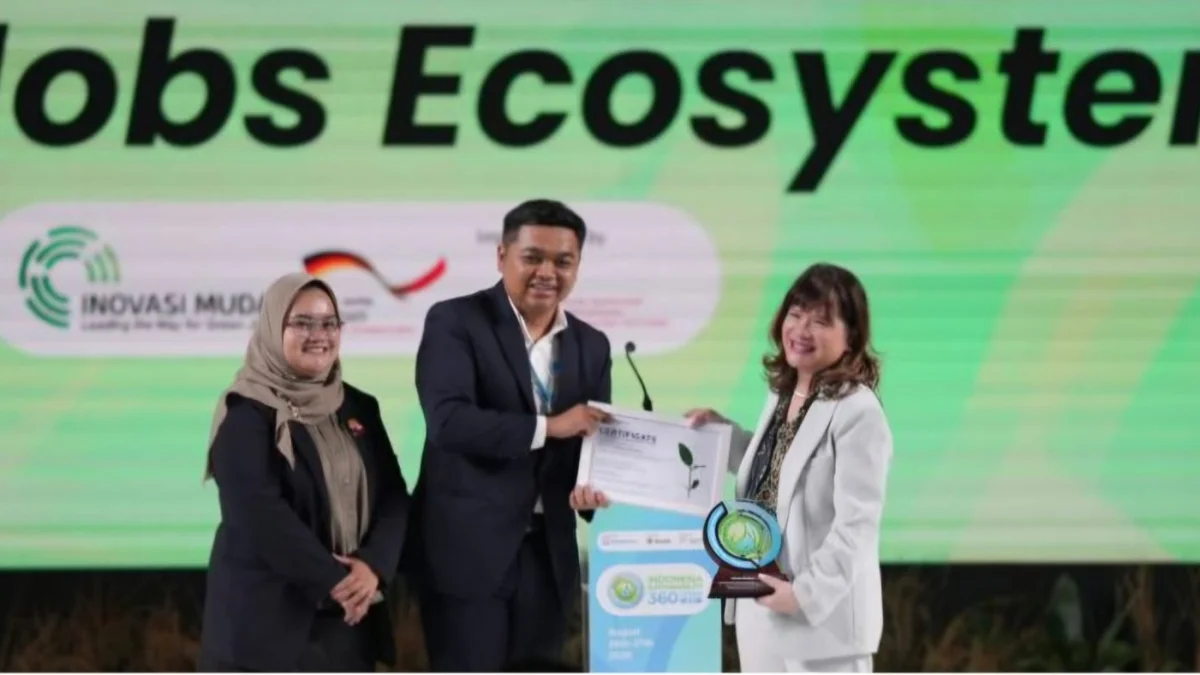
This potential is stated in the Indonesia Green Jobs Report 2026 which was launched by Young Innovation at the 2026 Green Jobs Ecosystem Forum in Jakarta, Thursday, 27 August 2026.
The report identified at least 191 types of jobs related to the green economy. These jobs are spread across the energy, industrial, circular economy, natural resource management and a number of support functions.
Chair of Young Innovation Restu Andini said the growth of green jobs must be accompanied by the development of an ecosystem that connects education, training, industry, government, certification and access to jobs.
“The growth of green jobs needs to be accompanied by a ready ecosystem that is able to link education, training, industrial needs, policies and job access,” said Restu in a written statement published Tuesday, September 1 2026.
According to him, the forum was held to bring together the government, business world, education and training institutions, development partners, civil society organizations and the younger generation.
“Through the Green Jobs Ecosystem Forum, we want to bring together various parties so that green economic opportunities can also be translated into real job opportunities for Indonesia's young generation,” said Restu.
The Young Innovation Report found a gap between understanding sustainability and the competencies required by industry. These gaps include certification, work experience, technical ability, curriculum relevance, learning facilities, and access to green jobs.
As many as 54 percent of respondents in the report assessed that government support for preparing young talents to face the green economic transition was not optimal.
The 2026 Green Jobs Ecosystem Forum also discusses strengthening vocational education, competency certification, aligning the curriculum with industry needs, and expanding access to learning and working in the green sector.
Green jobs are not only in the renewable energy sector. Labor needs are also growing in low-emission industries, waste management, sustainable agriculture, transportation, conservation, sustainable finance and the circular economy.
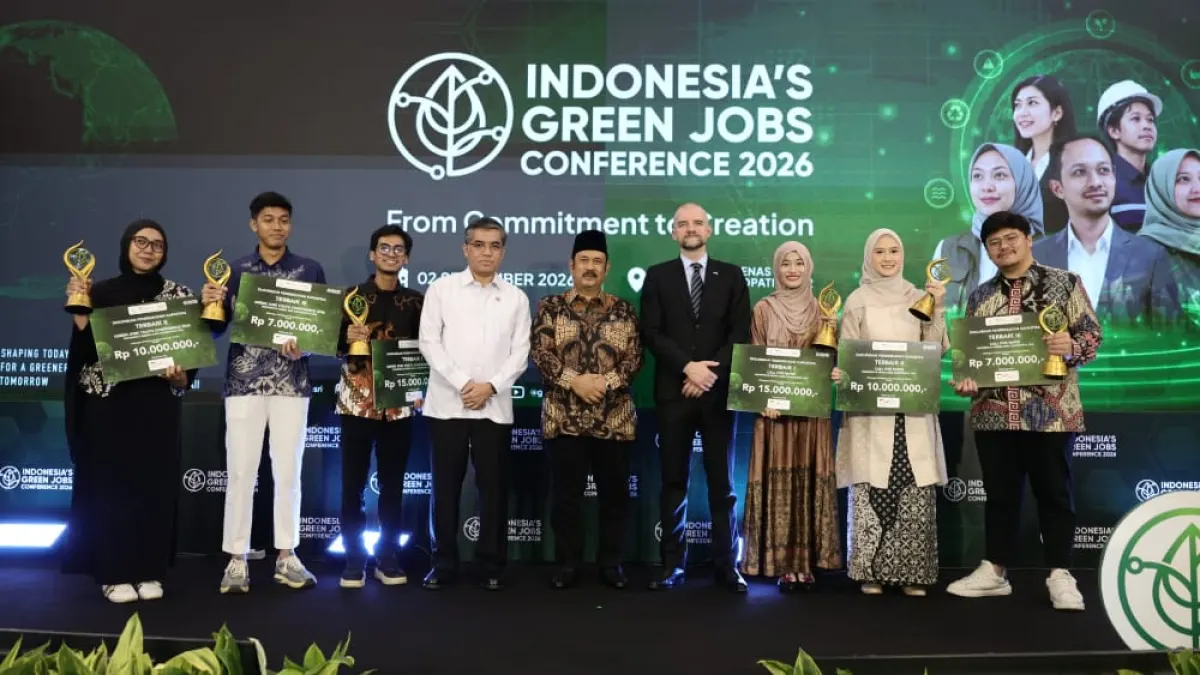
Workforce development is deemed necessary to include technical abilities, non-technical abilities, and the capacity to adapt to technological developments.
GARIS EARTH processed this report from the Indonesia Green Jobs Report 2026 and information published by Innovation Muda.
Edit
Source:
Indonesia Green Jobs Report 2026
Green Jobs Ecosystem Forum 2026 Report, 2 September 2026
Republika supporting report, September 2 2026
Share Your Thoughts Editorial Moderation Required