Indonesia Pursues Mercury Free by 2030, KLH Strengthens Toxic Waste Management
JAKARTA, GARISBUMI.com – The government is accelerating the management of mercury waste and Polychlorinated Biphenyls (PCBs) to protect the environment and public health from exposure to toxic chemicals.
This effort was carried out by the Ministry of the Environment/Environmental Control Agency (KLH/Environmental Management Agency (BPLH)) to achieve the target of a mercury-free Indonesia by 2030 and the elimination of PCBs by 2028.
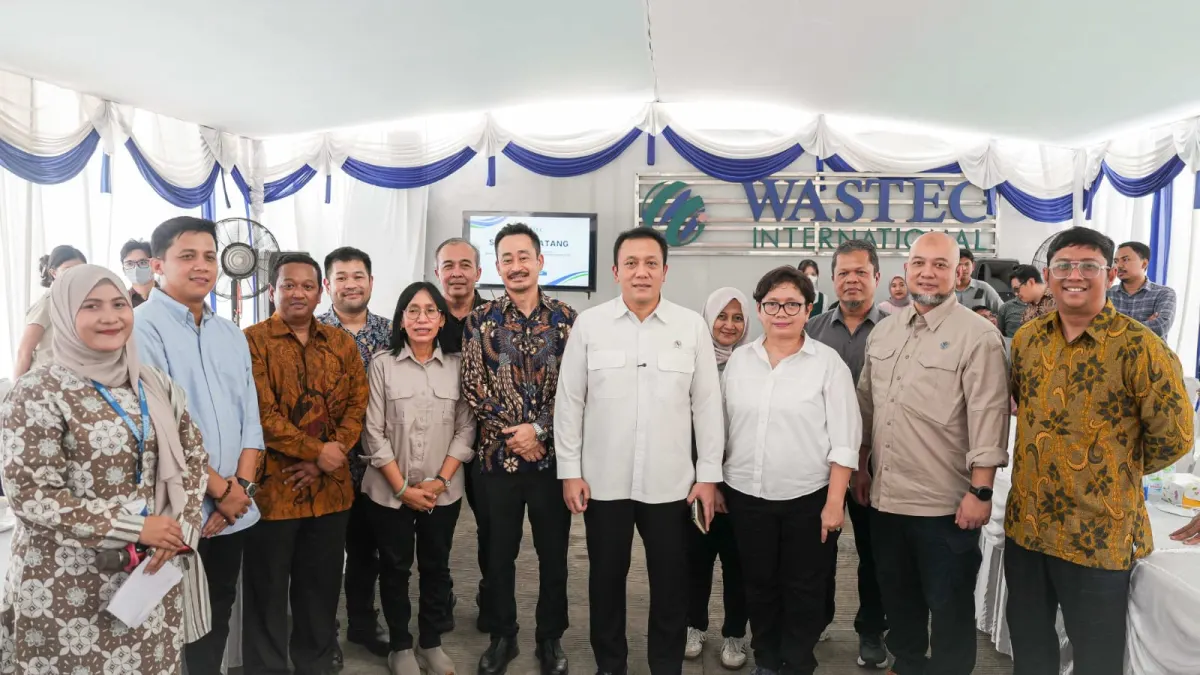
Deputy Minister of the Environment/Deputy Head of Environmental Management Agency (BPLH) Diaz Hendropriyono inspected two hazardous and toxic waste management facilities (B3) in Cilegon, Banten, and Nambo, Bogor Regency, West Java, Thursday, September 10 2026.
The two facilities are PT Wastec International which handles mercury waste and PT Prasadha Pamunah Limbah Industri (PPLI) which manages waste contaminated with PCBs.
“We have a target in the Minamata Convention to be mercury free by 2030 and in the Stockholm Convention to fully manage PCBs by 2028,” said Diaz in an official statement in Jakarta, Saturday, September 12 2026.
Diaz appreciated the role of the two companies in supporting the government in achieving the target of eliminating these dangerous chemicals.
“I appreciate PT Wastec and PT PPLI who are currently managing these two materials so that we can achieve these targets,” he said.
Encourage mercury waste encapsulation technology
When visiting PT Wastec International in Cilegon, Diaz encouraged the company to continue developing mercury waste management technology.
PT Wastec International is said to be the only mercury waste management facility in Indonesia currently. One of the technologies being pushed by KLH/Environmental Management Agency (BPLH) is encapsulation, namely isolating waste so that mercury does not escape and pollute the environment.
According to Diaz, mercury management must be carried out safely because this substance can endanger human health and the ecosystem.
“We are targeted to achieve zero mercury through Presidential Regulation Number 21 of 2019. In addition, based on Minister of the Environment Regulation Number 13 of 2025, mercury must be managed before 2030. Therefore, we appreciate Wastec for helping to achieve this target,” he said.
To date, KLH/Environmental Management Agency (BPLH) has withdrawn around 81,236 units of medical equipment containing mercury from 22 provinces.
Diaz also highlighted the use of mercury in Small Scale Gold Mining (PESK) activities. Apart from endangering workers, mercury pollution from these activities can spread to land, water, food chains and communities around mining sites.
“The use of mercury is illegal and very dangerous. "Unfortunately, mercury is still often found in medical devices and ASGM activities," he said. he said.
Diaz asked law enforcement officials to coordinate with professional waste management companies if they find mercury during field action.
“I urge law enforcement officers who find mercury to cooperate with professional management such as PT Wastec,” he said.
KLH facilitates management of machines contaminated with PCBs
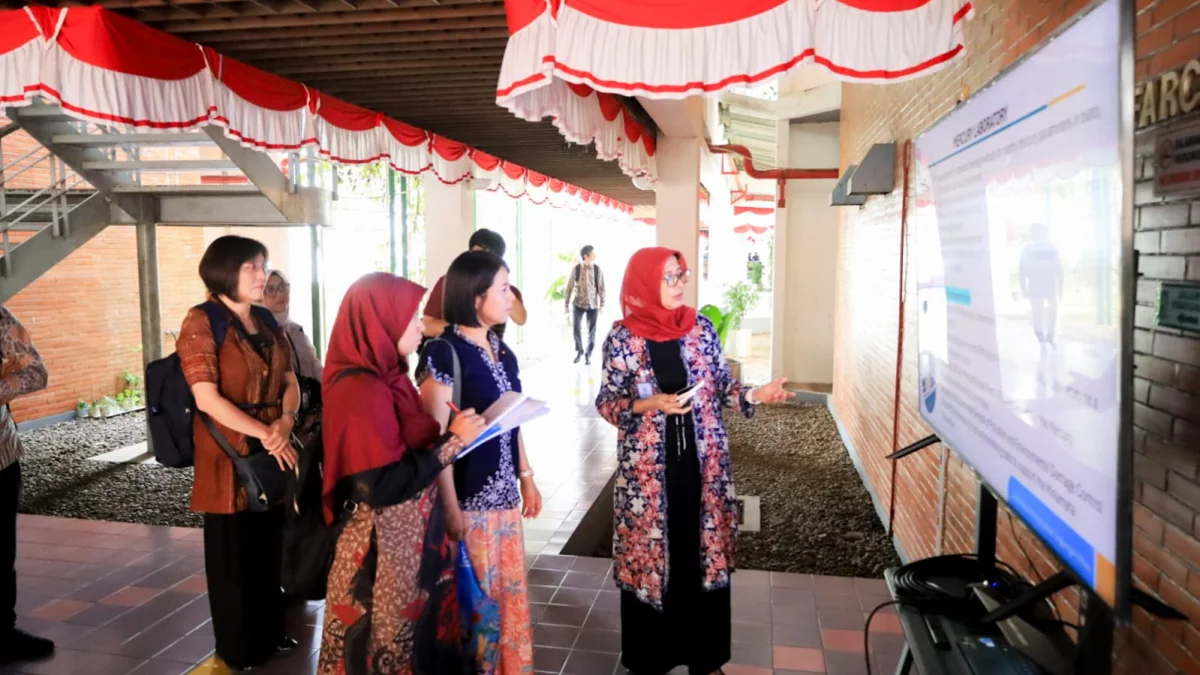
The inspection continued at the PT PPLI facility in Nambo, Bogor Regency. At that location, Diaz saw the process of managing equipment contaminated with PCBs.
PCBs are chemicals in the form of liquids resembling oil or solids such as wax that have no taste or smell. This substance was previously widely used as a cooling material and electrical insulator in transformers and capacitors because it is stable and heat resistant.
However, PCBs were later discovered to be highly toxic, difficult to decompose, and could threaten human health and environmental sustainability.
“We have seen that PCBs management is carried out professionally by PT PPLI. "This is the result of collaboration with the Ministry of Environment and Forestry (KLH) and United Nations institutions, namely UNIDO," he said. Diaz said.
According to him, the process of managing machines and equipment contaminated with PCBs still faces a number of obstacles. These obstacles include administration and high transportation costs to processing facilities.
KLH/Environmental Management Agency (BPLH) will try to find a solution so that owners of equipment contaminated with PCBs can hand it over to a licensed management facility.
“Later we will try to facilitate, for example with PLN and Pertamina, so that machines from there can be managed by PPLI according to international targets,” he stressed.
The elimination of PCBs in Indonesia refers to Minister of Environment and Forestry Regulation Number 29 of 2020. This regulation sets a deadline for the elimination of PCBs in 2028 as part of Indonesia's commitment to the Stockholm Convention.
KLH/Environmental Management Agency (BPLH) is optimistic that collaboration between the government, business actors, waste managers, law enforcement officials and international institutions can accelerate the realization of a clean, safe and sustainable Indonesian environment.
During the review, Diaz was accompanied by President Commissioner of PT Wastec International Denis Simon, Director of Operations of PT Wastec International Azizul Alfarabi, Director of Sales of PT PPLI Yurnalis Del, Director of Oil and Gas and Logistics of PT PPLI Bayu Setiawan, and Director of Operations of PT PPLI Tetsuya Yumoto.
Share Your Thoughts Editorial Moderation Required