IMPLI Project Ends, Peat Management in Three Provinces Continues until 2029
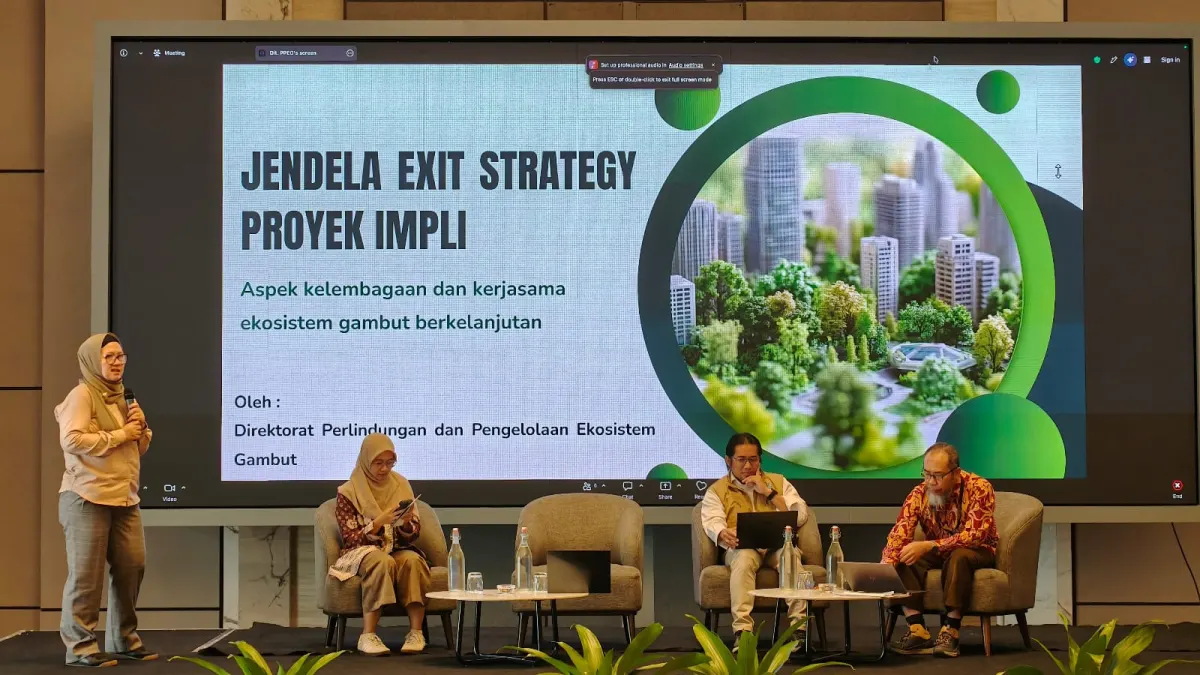
BOGOR, GARISBUMI.com – The end of assistance for the Integrated Management of peatland ecosystem Landscapes in Indonesia (IMPLI) Project in September 2026 will be the beginning of the transition to peat ecosystem management in Riau, Jambi and South Sumatra (Sumsel). The government together with partners are preparing a road map until December 2029 so that water monitoring, peat protection and community economic activities continue.
The Ministry of the Environment/Environmental Control Agency (KLH/Environmental Management Agency (BPLH)) conveyed the sustainability strategy in a socialization in Bogor, Tuesday (29/9/2026). This step was prepared after the project lasted more than six years.
Director of Peat Ecosystem Protection and Management, KLH/Environmental Management Agency (BPLH), Edy Nugroho Santoso, said that project results need to be continued through institutions and management that will last after the assistance is completed.
"As the project cycle ends, we are entering an important stage, namely ensuring that the various results, good practices, knowledge, innovation and institutional mechanisms that have been built can continue to provide benefits after the project is completed," said Edy in a written statement from KLH/Environmental Management Agency (BPLH), Wednesday (30/9/2026).
IMPLI is a GEF-6 initiative implemented by the International Fund for Agricultural Development (IFAD) together with KLH/Environmental Management Agency (BPLH). This project uses a Peat Hydrological Unit (KHG) approach, with activities including ecosystem restoration, institutional strengthening, community empowerment, and hydrological monitoring.
The post-project strategy is directed at transferring management to the government, community, business actors, universities, civil society organizations and development partners. It is hoped that physical assets and digital systems built during the project will continue to be utilized after GEF and IFAD support ends.
Protecting Peat Water and Residents' Livelihoods
During its implementation, IMPLI supported the completion of the provincial level Peat Ecosystem Protection and Management Plan (RPPEG) in Riau, Jambi and South Sumatra (Sumsel).
The district RPPEG draft was also developed for the formal adoption process and integration into regional development planning and spatial planning documents.
At the community level, the project supports the formation of a Peat Ecosystem Protection and Management Working Team and the preparation of participatory work plans.
Economic activities developed include paludiculture, agrosilvofishery, animal husbandry, honey business, drinking water depot, fish cultivation and horticulture.
Representative of the Indonesian Conservation Community (WARSI), Ade Chandra, emphasized that peat protection needs to pay attention to the lives of the people in it.
"If we look at it, the peat ecosystem is not an empty space, but is a landscape where people live, a source of livelihood, and a place where people do their activities. Therefore, it is very important how peat management can be carried out sustainably," he said.
From a technological perspective, IMPLI developed the SiPPEG and SiMATAG information systems and installed recording equipment to monitor ground water levels. The project also develops a methodology for measuring greenhouse gas emissions based on groundwater level and carbon dioxide data.
Continuous operation of tools and data updates are part of the post-project strategy, including to support early warning systems.
Six Pillars of Sustainability
IMPLI's sustainability strategy is structured through six pillars, namely governance and institutions; hydrology and peat ecosystem management; sustainable financing; monitoring, data, and technology; community inclusion and markets for peat-friendly products; and knowledge and replication.
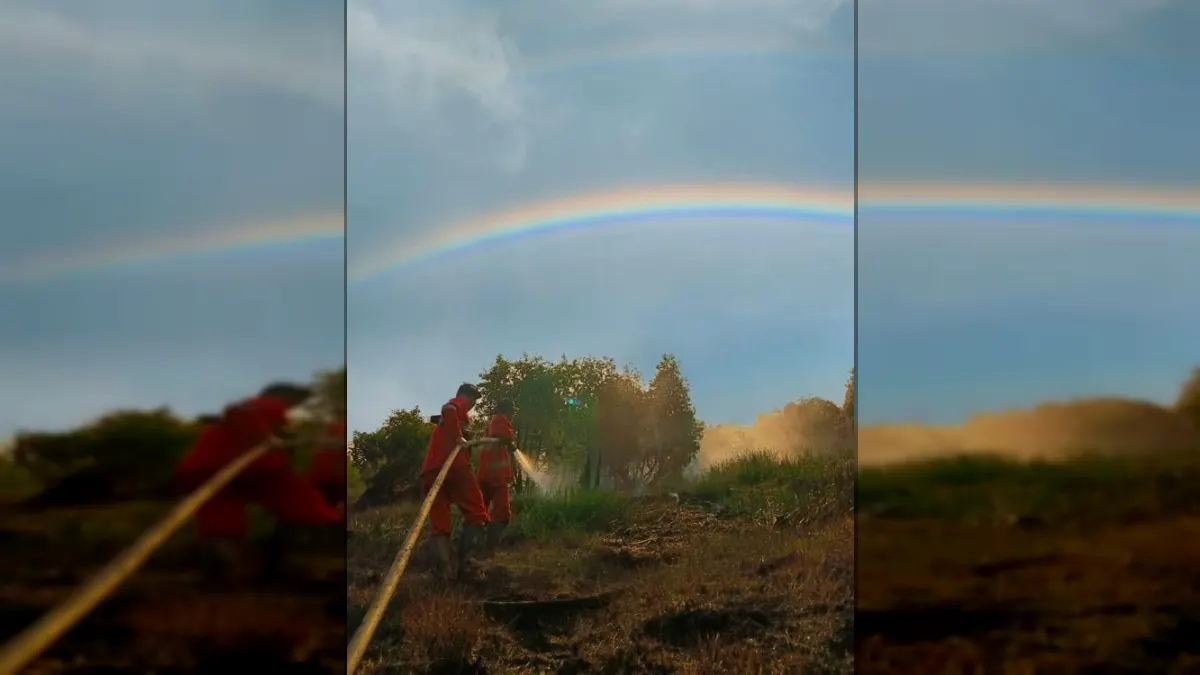
In hydrological management, attention is paid to the operation of canal blocking, water monitoring tools, prevention of forest and land fires, as well as rewetting, replanting and revitalizing community livelihoods.
Meanwhile, financing is designed through a combination of various sources, including the APBN, APBD, Village Funds, company support, the Environmental Fund Management Agency, the economic value of carbon, and payments for environmental services.
Strengthening business groups and buyer networks is also part of the plan so that peat-friendly products have market access.
Joint Commitment until 2029
Post-project priorities are tailored to the needs of each province. In Riau, strategies include alignment with RPPEG for the 2026–2030 period, KHG-based water management, as well as developing market access and certification.
In Jambi, the focus includes alignment with RPPEG 2024–2053 Phase I, data sharing, environmental services-based financing, and strengthening village institutions and business groups.
Meanwhile, in South Sumatra (Sumsel), the strategy is aimed at strengthening peat protection, climate and nature funding, tenure governance, and a network of buyers of peat-friendly products.
In this activity, stakeholders signed the IMPLI Post-Project Landscape Commitment Pact for the 2026–2029 period. This commitment involves central and regional governments, villages, the private sector, universities and community institutions.
"We hope that the commitment and cooperation that has been built during the implementation of this project can continue to be maintained and strengthened in the future," said IMPLI Project Manager Muhammad Askary.
The post-project roadmap is valid from October 2026 to December 2029. The transition phase includes the handover of physical and digital assets, determining post-project responsibility, and preparing a replication plan.
The sustainability of peat management then depends on the implementation of these commitments, including maintenance of facilities, continuity of funding, and community involvement.
Artikel ini merupakan siaran pers resmi yang diterbitkan melalui Meja Redaksi GARIS BUMI. Materi telah melalui peninjauan editorial untuk kenyamanan dan kejelasan informasi bagi pembaca.
Share Your Thoughts Editorial Moderation Required