BRIN Produces Young Science Communicators, Equips Students with Radiation and Nuclear Technology Literacy
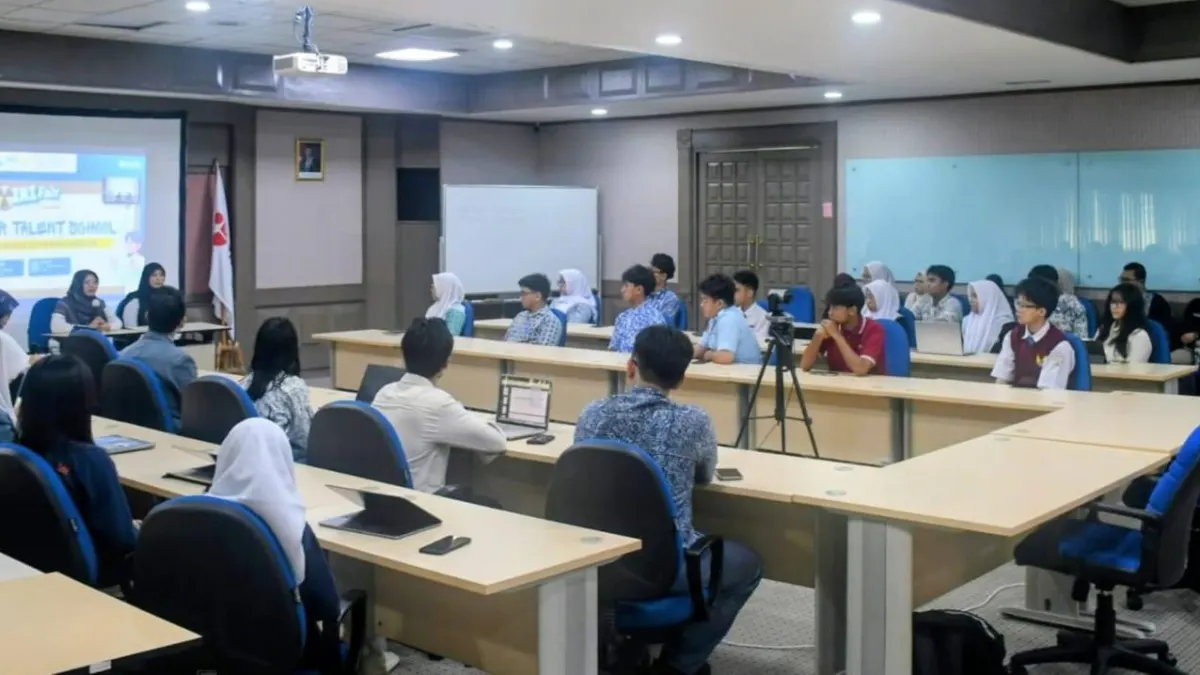
According to him, this capability is increasingly important along with the development of the use of nuclear technology in various fields. Moreover, radiation has more often been perceived as a threat to the body, health and the environment.
Through this training, participants gain an understanding that nuclear and radiation technology also has benefits in the fields of energy, health, industry and various research activities.
Fachry hopes that the development of nuclear technology and infrastructure in Indonesia will continue. He also hopes that society will become more open to the use of nuclear technology so that its benefits can be felt more widely.
Another participant from MAN Insan Scholar Serpong, Muhammad Kika Febriansyah, admitted that he was interested in taking part in this activity because he wanted to study low-carbon energy sources, including nuclear technology. He also wants to deepen his science communication skills.
"I see nuclear as having potential as an energy source to support future energy needs. My interest also stems from the issue of renewable energy and how we can switch from fossil energy to more sustainable energy sources," said Kika.
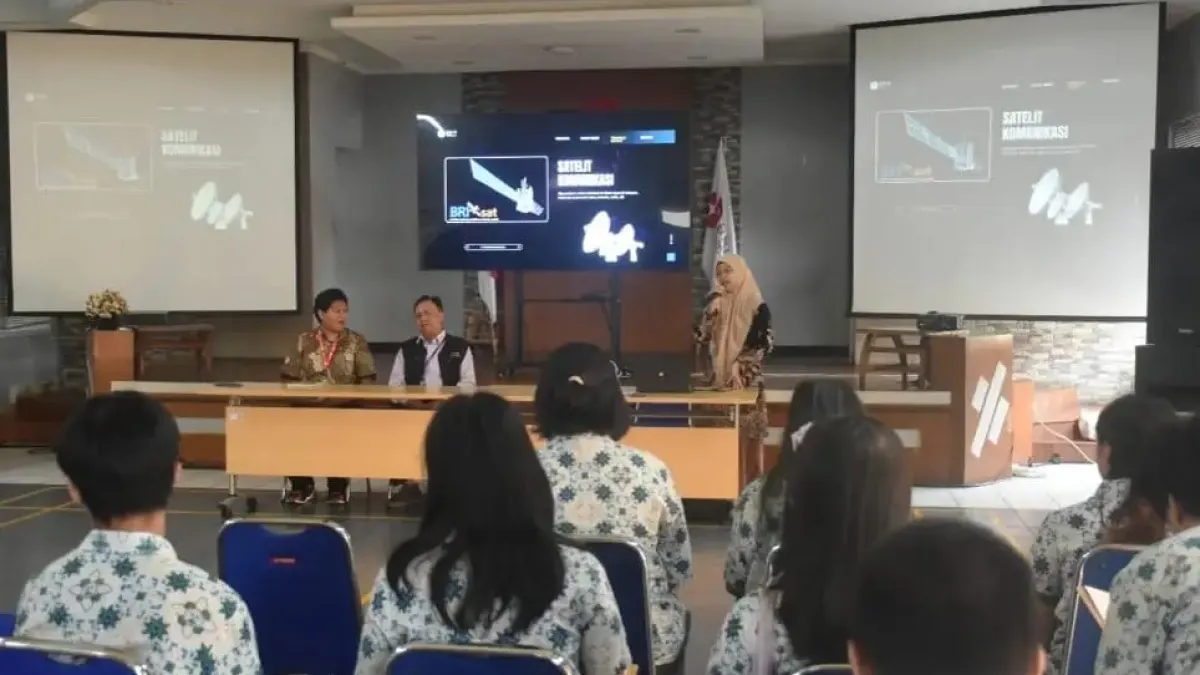
He assessed that the training material was delivered interactively and easy to understand. Visit to the nuclear facility at KST B.J. Habibie Serpong is also one of his most anticipated agendas.
"In the future, hopefully activities like this can be more routine. If possible, they will be held in the form of camps so that participants can learn more in depth, not just basic material," he said.
Artikel ini merupakan siaran pers resmi yang diterbitkan melalui Meja Redaksi GARIS BUMI. Materi telah melalui peninjauan editorial untuk kenyamanan dan kejelasan informasi bagi pembaca.
Share Your Thoughts Editorial Moderation Required