BRIN Produces Young Science Communicators, Equips Students with Radiation and Nuclear Technology Literacy
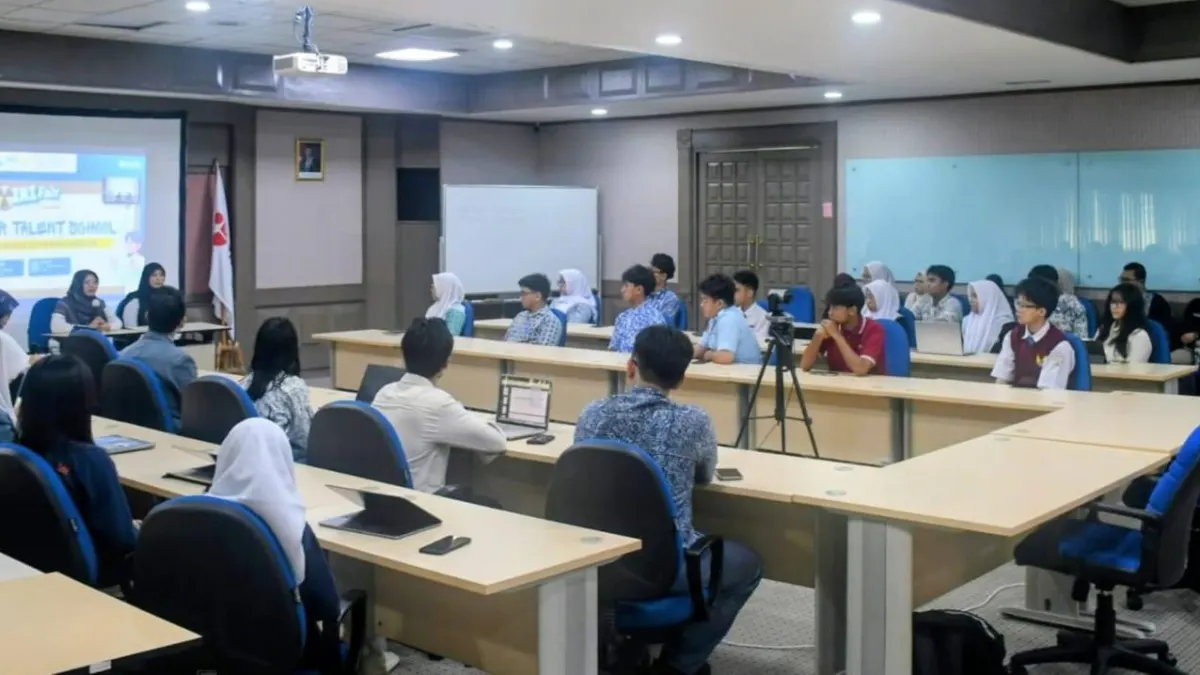
SOUTH TANGERANG, GARISBUMI.com – The National Research and Innovation Agency (BRIN) provided 30 students with basic knowledge about radiation, radiation safety and the use of nuclear technology. The participants are also trained to become science communicators who are able to convey scientific information to the public in language that is easy to understand.
The training entitled Nuclear Talent School – Science Communicator on Basic Radiation was held at the B.J. Science and Technology (KST) BRIN Campus. Habibie, Serpong, South Tangerang, on 21–23 September 2026.
Apart from studying the basic concepts and uses of radiation, students are trained to design educational media. They are expected to be the driving force for disseminating accurate and reliable information about radiation in school and community environments.
Head of the Science and Technology HR Development Team 2 of the BRIN Competency Development Directorate, Indragini, said that the Nuclear Talent School was part of the Indonesia Research and Innovation Fair or IRIFair 2026 series.
According to him, this activity is not only a forum for sharing knowledge, but also part of BRIN's efforts to prepare national talent in the field of science and technology, especially nuclear.
"BRIN has a mandate to develop national talent, one of which is in the nuclear sector. As a national research and innovation institution, BRIN not only plays a role in producing research and innovation, but also builds a research and innovation ecosystem in Indonesia," said Indragini.
Nuclear Technology Supports NZE 2060 Target
Indragini explained that nuclear technology was one of the areas that received attention in Indonesia's long-term development plans. This technology is considered to have the potential to support energy independence as well as help achieve the Net Zero Emission (NZE) target by 2060 by reducing carbon emissions in the energy sector.
However, preparing human resources in the nuclear sector requires a long process. Therefore, introduction to the younger generation needs to be done from an early age to foster interest and strengthen their understanding.
"Preparing human resources in the nuclear sector requires time and is a long process. Therefore, it is necessary to approach the younger generation to foster interest in the nuclear sector," he said.
Indragini emphasized that the use of nuclear technology is not only related to energy, but also covers the health and industrial sectors. On the other hand, study programs related to nuclear technology and radiation in universities are still limited.
He hopes that participants can absorb as much knowledge about basic radiation as possible. This material becomes the foundation for studying radiation technology at intermediate and advanced levels according to individual interests.
Correcting Perceptions about Radiation
A participant from SMA Negeri 1 Karawang, Fachry Bagus Adiputra, assessed that Nuclear Talent School not only introduces nuclear technology, but also provides science communication skills.
"Participants are invited to understand nuclear technology and radiation in more depth, while also learning to convey scientific information to the public in language that is easier to understand," said Fachry.
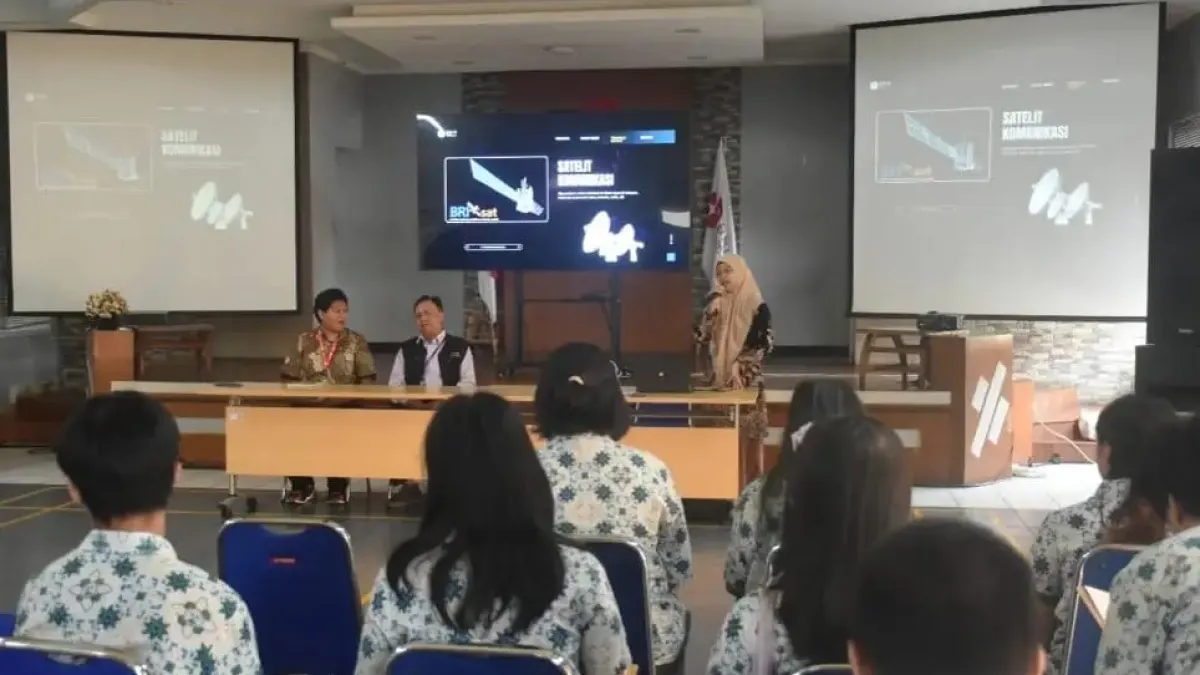
According to him, this capability is increasingly important along with the development of the use of nuclear technology in various fields. Moreover, radiation has more often been perceived as a threat to the body, health and the environment.
Through this training, participants gain an understanding that nuclear and radiation technology also has benefits in the fields of energy, health, industry and various research activities.
Fachry hopes that the development of nuclear technology and infrastructure in Indonesia will continue. He also hopes that society will become more open to the use of nuclear technology so that its benefits can be felt more widely.
Another participant from MAN Insan Scholar Serpong, Muhammad Kika Febriansyah, admitted that he was interested in taking part in this activity because he wanted to study low-carbon energy sources, including nuclear technology. He also wants to deepen his science communication skills.
"I see nuclear as having potential as an energy source to support future energy needs. My interest also stems from the issue of renewable energy and how we can switch from fossil energy to more sustainable energy sources," said Kika.
He assessed that the training material was delivered interactively and easy to understand. Visit to the nuclear facility at KST B.J. Habibie Serpong is also one of his most anticipated agendas.
"In the future, hopefully activities like this can be more routine. If possible, they will be held in the form of camps so that participants can learn more in depth, not just basic material," he said.
For three days, participants receive theoretical and practical material from lecturers who are experienced in the field of radiation and nuclear technology. Learning is carried out through lectures, demonstrations, practicums and discussions.
Participants also took part in a facility visit to get to know firsthand the nuclear facilities and activities in the BRIN Serpong area.
Artikel ini merupakan siaran pers resmi yang diterbitkan melalui Meja Redaksi GARIS BUMI. Materi telah melalui peninjauan editorial untuk kenyamanan dan kejelasan informasi bagi pembaca.
Share Your Thoughts Editorial Moderation Required