
Solar Water Pump in Samosir Targeted to Triple Rice Production
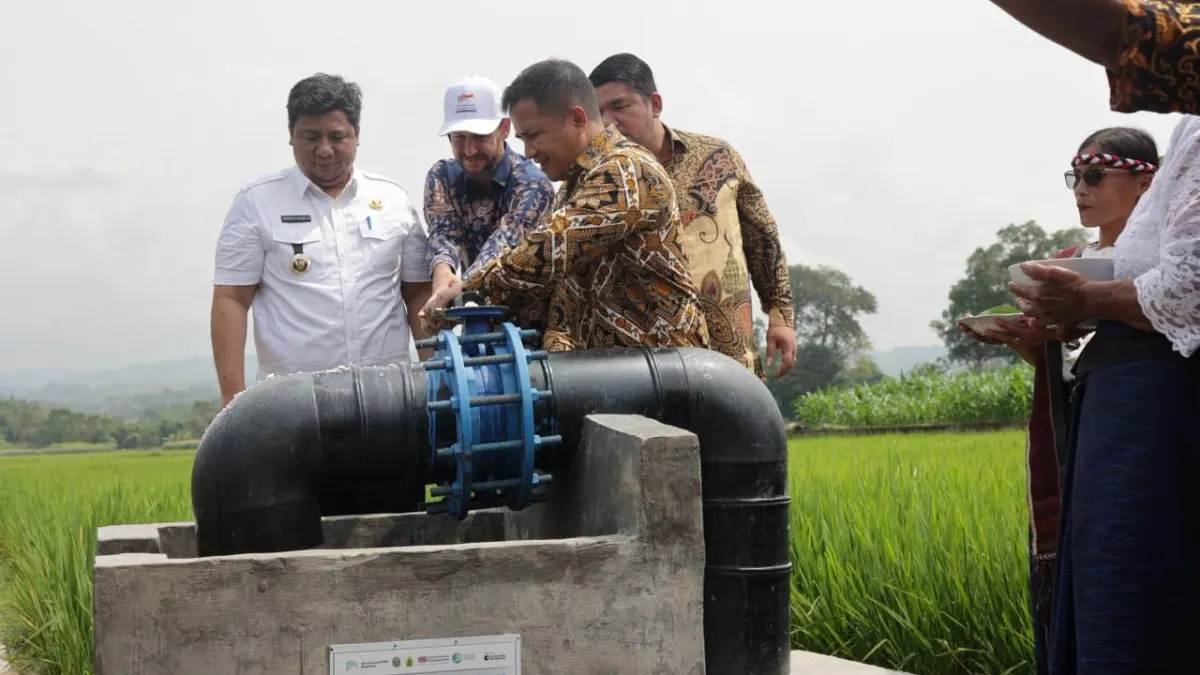
SAMOSIR, GARISBUMI.com – The Solar Water Pump (PATS) in Sibonor Ompu Ratus Village, Nainggolan District, Samosir Regency, North Sumatra, is projected to increase rice production from around 50 tons to 150 tons per year. This renewable energy-based irrigation facility will support the water needs of 82 hectares of rainfed rice fields cultivated by 749 farmers.
The PATS was inaugurated on Saturday (3/10/2026) through the collaboration of the Ministry of National Development Planning/Bappenas, the North Sumatra Provincial Government, the Samosir Regency Government, and the British Government through the British Ministry of Foreign Affairs and Development or UK FCDO.
Apart from helping to meet agricultural water needs, PATS replaces the use of Pertalite-fueled pumps. This replacement is estimated to reduce greenhouse gas emissions by 10.18 tons of carbon dioxide equivalent (CO₂e) per year.
Deputy for Food, Natural Resources and Environment Ministry of National Development Planning/Bappenas Leonardo A.A. Teguh Sambodo said that the use of clean energy needs to provide direct benefits to society.
"Low carbon development becomes real when the benefits reach the site level and are felt directly by the community. PATS in Samosir shows how clean energy can be used to strengthen food production, reduce farming costs, while supporting emission reduction," he said.
According to Leonardo, the experience in Samosir can be a lesson for developing similar facilities in other areas.
"Lessons learned from Samosir are important to ensure that development innovation does not stop at pilots, but can be developed and replicated in other areas," he said.
Solar Irrigation for Rainfed Rice Fields
The construction of PATS in Sibonor Ompu Ratus is part of the Low Carbon Development Initiative Phase II (LCDI2) Program which will take place in 2023–2027.
The use of solar power for irrigation is expected to help farmers face limited water while supporting low-carbon agriculture. Proyeksi kenaikan produksi padi menjadi tiga kali lipat merupakan target manfaat dari pengoperasian fasilitas tersebut.
UK Minister-Counsellor for development for Indonesia, Timor-Leste and ASEAN, Peter Rajadiston, said climate change was increasing challenges for agriculture, including the risk of drought and the impact of El Niño on water availability.
"The solar water pump in Samosir shows how clean energy can be used to strengthen food security, increase agricultural productivity, and at the same time reduce emissions," he said.
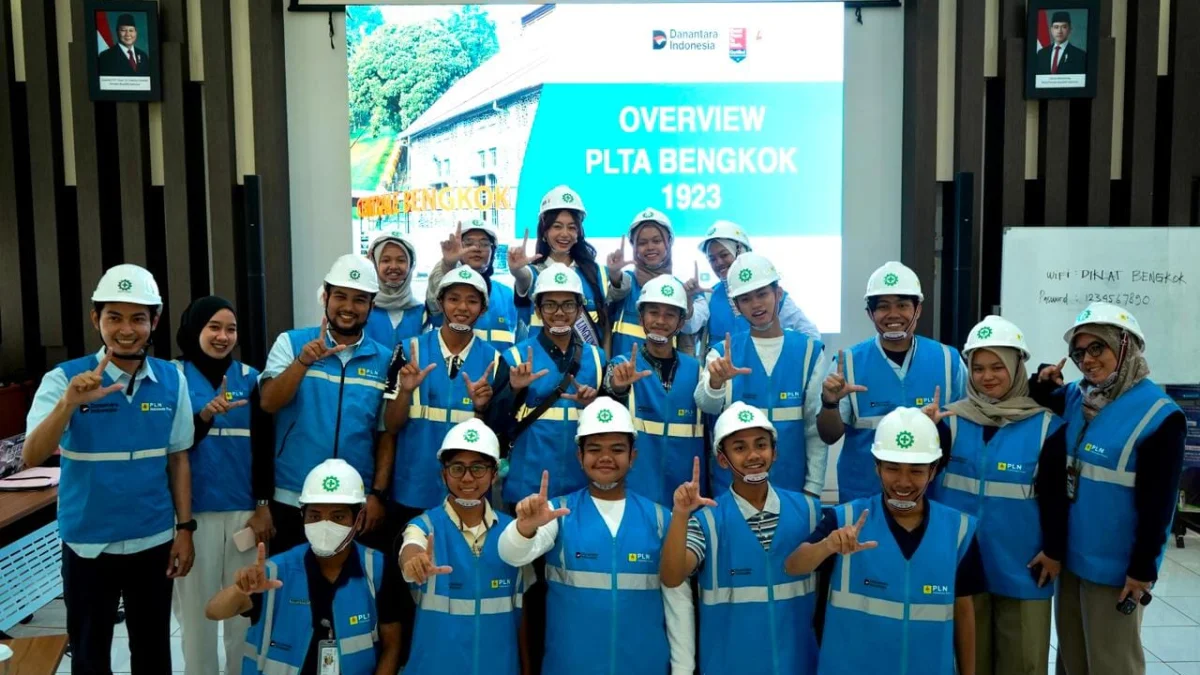
Peter called the initiative part of the UK-Indonesia Strategic Partnership in supporting climate action, energy transition and sustainable development.
Next PATS Built in Pakpahan Village
After the inauguration, activities continued with the laying of the first stone for the construction of PATS in Pakpahan Village, Onan Runggu District, Samosir Regency.
The next facility is planned to serve around 73 hectares of agricultural land and provide benefits to 903 farmers. Its use is estimated to reduce greenhouse gas emissions by 7.34 tonnes of CO₂e per year.
The Regent of Samosir Vandiko Timotius Gultom appreciated the support of Bappenas, the British Government and the North Sumatra Provincial Government. He believes that the use of renewable energy for irrigation can provide direct benefits for farmers while supporting environmentally friendly development.
The Samosir Regency Government is committed to ensuring that these facilities are utilized and maintained sustainably together with the community.
Director of the Environment at the Ministry of National Development Planning/Bappenas Nizhar Marizi hopes that the development of PATS in Samosir will be a lesson for other regions.
"It is hoped that this experience in Samosir will be a lesson for implementing low-carbon development in other areas, as well as showing the real benefits of cooperation between Indonesia and the UK," he said.
Artikel ini merupakan siaran pers resmi yang diterbitkan melalui Meja Redaksi GARIS BUMI. Materi telah melalui peninjauan editorial untuk kenyamanan dan kejelasan informasi bagi pembaca.
Share Your Thoughts Editorial Moderation Required