
Forest and Land Fires Threaten Wildlife Habitat, Ministry of Forestry Strengthens Protection
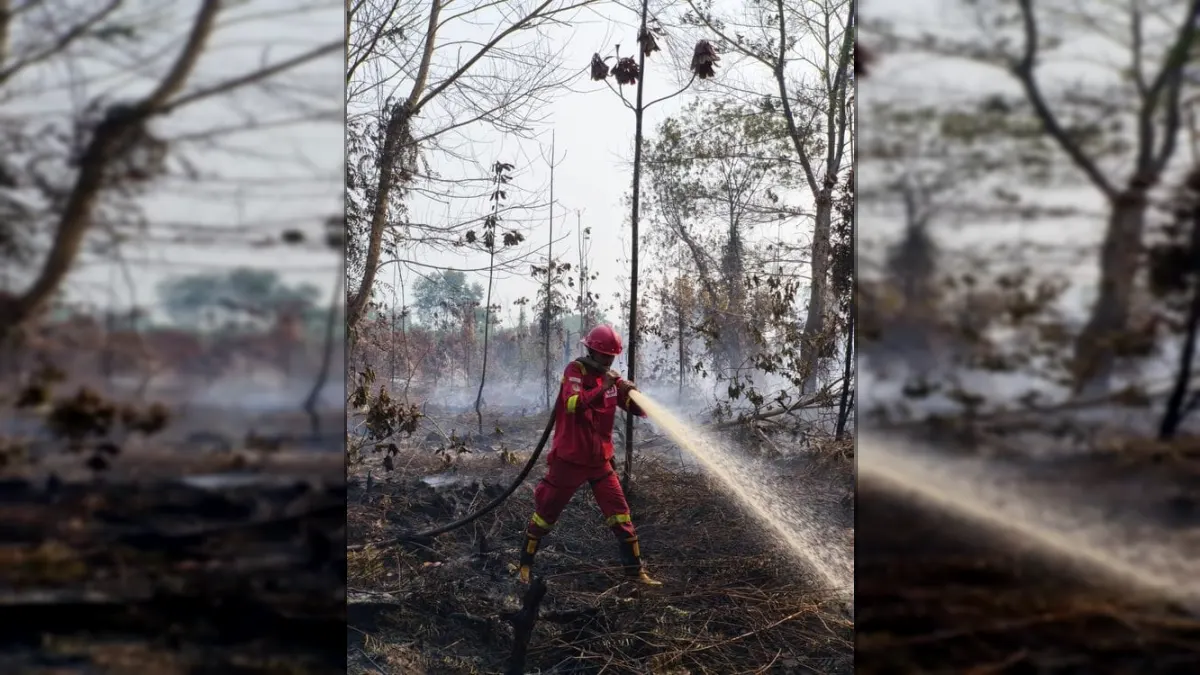
JAKARTA, LINE EARTH, GARISBUMI.com – Protection of wild animals and their habitats is an important part of handling forest and land fires (karhutla). Fires can disrupt roaming areas, reduce food sources, and threaten the safety of animals living in affected areas.
The Ministry of Forestry is strengthening these protection efforts following the increase in hot spots or Hotspots with a high level of confidence nationally. SiPongi monitoring as of Tuesday (29/9/2026) at 21.10 WIB recorded 893 points, up from 365 points the day before.
In a written statement on Wednesday (30/9/2026), the Ministry of Forestry explained that handling of animals is adjusted to conditions in the field. Actions include evacuation, inspection and treatment, rehabilitation, transfer to suitable habitat, release, and herding to safer areas.
As of September 29 2026, a total of 254 individual animals were recorded in the overall response to the impact of natural disasters throughout this year. This figure includes various disasters and forms of response, so not all animals are affected by forest and land fires.
Animals that receive treatment include Kalimantan orangutans, proboscis monkeys, pangolins, slow lorises, leopard cats, gray langurs, sun bears and various other types of wildlife.
Orangutans Evacuated, Proboscis Monkeys Herded to Safe Habitat
For Bornean orangutans, a number of individuals found in the affected areas were evacuated to undergo examination and treatment.
Individuals who require continued recovery are placed in rehabilitation facilities. Meanwhile, animals that meet the requirements can be translocated or returned to suitable habitats.
Handling of proboscis monkeys is carried out with a different approach. Under certain conditions, officers lead groups of animals to safer habitats to keep them away from areas affected or at risk of fire.
This step is part of efforts to maintain animal safety while reducing risks due to habitat disturbance.
The Ministry of Forestry asks people who find wild animals affected by fire, injured, trapped, or entering residential areas not to handle the animals independently.
The public is advised to keep their distance and avoid actions that could make animals stressed or aggressive. If possible, residents can record the location and condition of the animals, then immediately report it to the Natural Resources Conservation Agency (BKSDA) or the nearest forestry officer.
hotspot upgrades need to be watched out for
Among the six priority provinces for controlling forest and land fires, South Sumatra (Sumsel) and Central Kalimantan (Kalteng) recorded the largest number of Hotspots with a high level of confidence.
South Sumatra (Sumsel) recorded 266 points, an increase from 96 points the day before. Central Kalimantan (Kalteng) rose from 37 to 132 points.

An increase also occurred in Jambi, from 25 to 75 points; West Kalimantan (Kalbar), from nil to 30 points; and South Kalimantan, from four to 28 points. Riau remains zero Hotspots with a high level of confidence.
Officers continue to carry out field inspections to ensure actual conditions and determine the necessary treatment.
Hotspots are an indication of surface temperature anomalies detected by satellites, not the number of fire incidents or the size of the burned area. One fire incident can be detected as several Hotspots so each indication needs to be verified.
Blackouts Support Habitat Protection
To control forest and land fires, 61 air fleet units were alerted. The fleet consists of 17 units for patrols and Weather Modification Operations (OMC), as well as 44 units for sprinkling water from the air or water bombing.
A total of 55 units support operations in six priority provinces, while the rest of the fleet is used in areas that need it.
Air operations work together with ground patrols, direct extinguishing, blocking the spread of fire, wetting, extinguishing remaining embers and cooling. Peatlands are of particular concern because embers can persist beneath the surface even though surface fires have diminished.
Control is carried out by Manggala Agni together with BNPB, TNI, Polri, BMKG, BPBD, local government, community, business world and other related parties.
The Ministry of Forestry has again reminded the public and business actors not to clear or clear land by burning. Findings of smoke, hot spots or burning activity need to be reported immediately so that treatment can be carried out before the fire spreads and threatens animal habitats.
Share Your Thoughts Editorial Moderation Required