
Economists Who Choose to Stand on the Side of the Environment
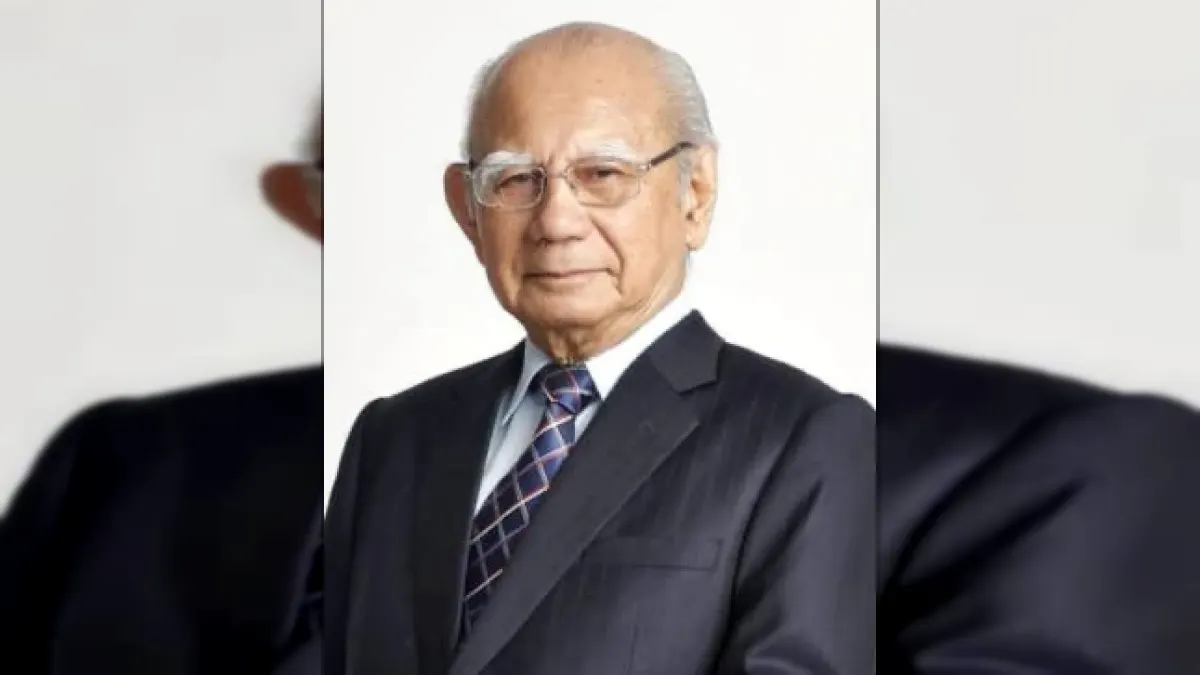
This family environment helped shape Emil's closeness to science and national issues.
After completing secondary education, Emil continued his studies at the Faculty of Economics, University of Indonesia. He then had the opportunity to study at the University of California, Berkeley, United States, until he earned a doctorate in economics.
Emil didn't take the title home to keep it as a personal achievement. He returned to the academic world and taught at the Faculty of Economics, University of Indonesia. From campus, the journey moves towards a wider space, namely national development planning.
Economics brings him close to the growth, investment, production and income figures of the country. However, behind those numbers, there are problems that are not always recorded: polluted water, depleted forests, people who have lost their source of livelihood, and recovery costs that must be paid later.
From Campus to Government
Emil Salim entered government circles when Indonesia was charting the course of its economic development. He was involved in a team of economic advisors, then held a number of important positions in government.
In 1971, Emil was trusted to be Minister of State for Refinement and Cleansing of the State Apparatus. He carried out this task until 1973 before being appointed as Minister of Transportation for the period 1973 to 1978.
His experience in government exposed him to various development issues. Infrastructure really opens up relations between regions and drives the economy. However, development also brings consequences that need to be taken into account from the start.
Share Your Thoughts Editorial Moderation Required