
Welcome Landfill Fire Prevention, IPAL Processed Water Proposed to Wet Waste Piles
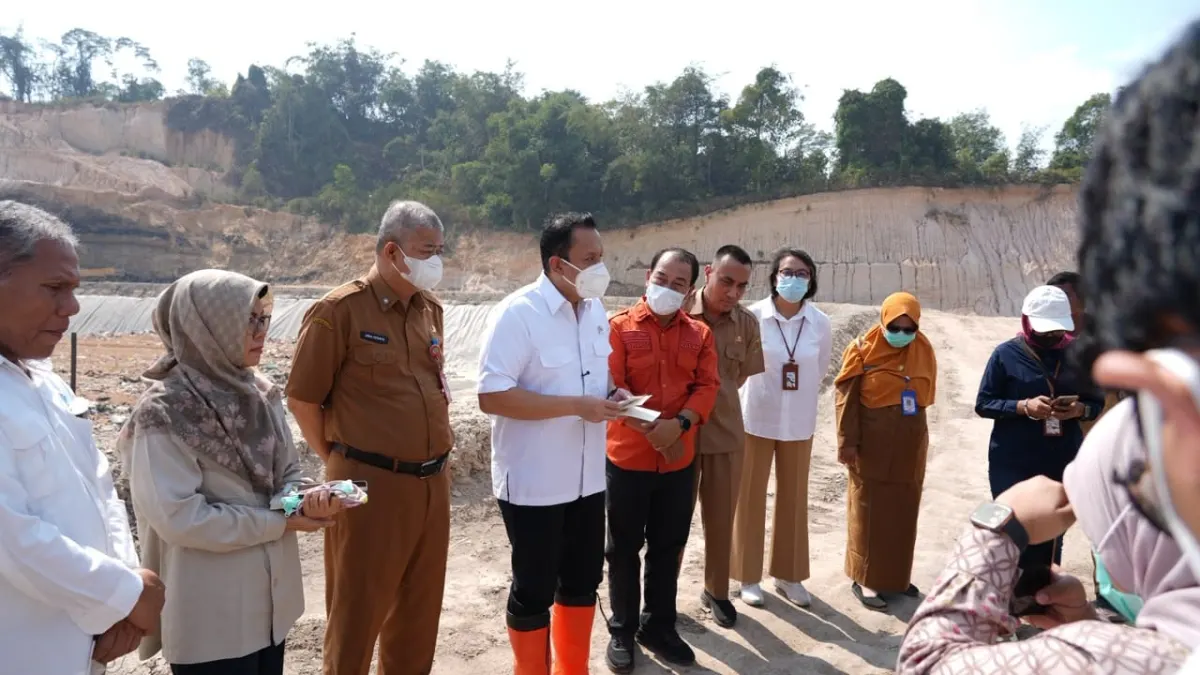
KLH/Environmental Management Agency (BPLH) encourages the use of treated water from IPAL to wet piles of rubbish at Sambutan TPA, Samarinda, to reduce the risk of fire during extreme hot weather.
SAMARINDA, GARISBUMI.com – Water from the Waste Water Treatment Plant (IPAL) at the Sambutan Final Processing Site (TPA), Samarinda City, East Kalimantan (Kaltim), is encouraged to be used as a source for periodically wetting piles of waste.
This step is considered to help prevent landfill fires which are increasingly at risk of occurring when the weather is hot and dry.
This proposal was conveyed by the Deputy Minister of the Environment and Deputy Head of the Environmental Control Agency (KLH/Environmental Management Agency (BPLH)), Diaz Hendropriyono, when inspecting the Sambutan TPA, Monday, September 14 2026.
"I see that there is already an IPAL in this landfill. This IPAL has been well managed. How can we use the water that has been managed in this IPAL so that it can be used as a water source for regular wetting of the landfill," said Diaz.
Prevent Fires During Extreme Hot Weather
The visit was carried out to review the implementation of Circular Letter of the Minister of the Environment Number 11 of 2026 concerning Increasing Fire Preparedness and Anticipation at TPAs in Extreme Hot Weather Conditions.
The circular was addressed to governors, regents and mayors so that local governments increase their preparedness to deal with potential fires at final waste processing locations.
According to Diaz, piles of rubbish need to be wetted regularly because they are at risk of catching fire when faced with hot and dry weather conditions.
"Now there is El Niño and global warming so fires can occur more easily. With a circular from the Minister of the Environment, local governments are directed to wet the waste in landfills that has already piled up," he said.
Utilizing treated water from WWTPs can be an alternative to meet these water needs. Apart from reducing the use of clean water, this step allows processed water to be reused to support landfill safety and management.
Scavenger Safety Must Be Prioritized
Apart from reviewing waste water management, Diaz asked the regional government to pay attention to the safety of scavengers operating at the Sambutan TPA.
Scavengers are asked not to enter active zones or be around high mountains of rubbish because of the risk of accidents.
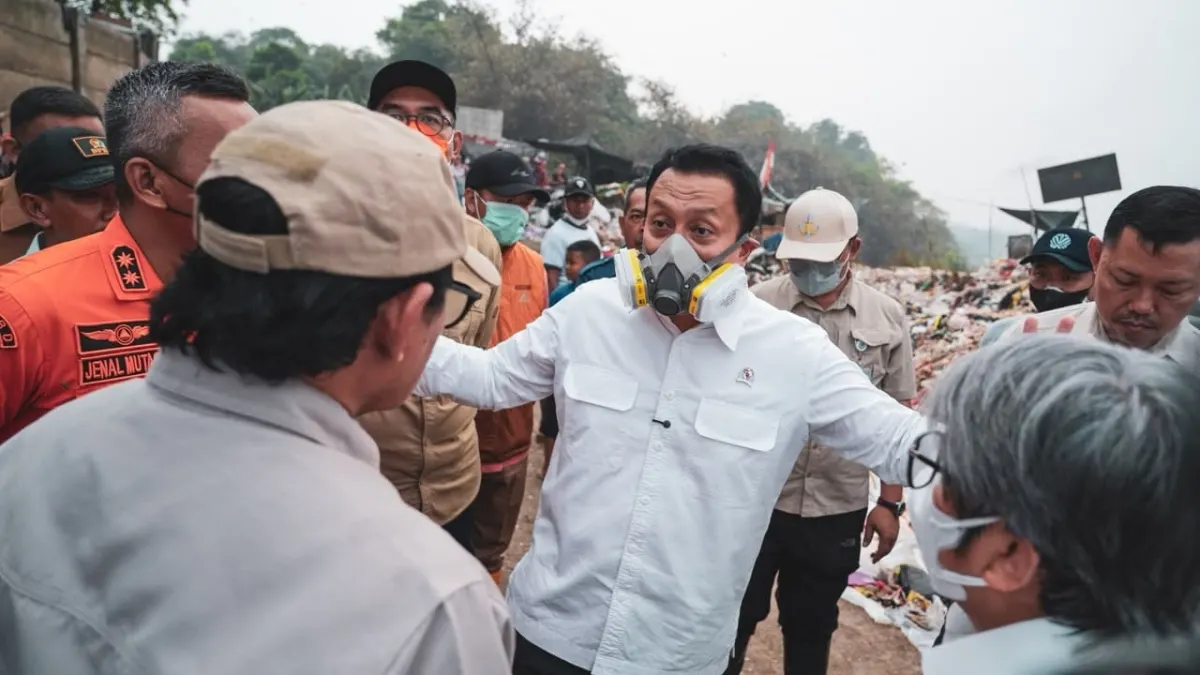
"From the perspective of scavengers, please pay attention later. Don't let there be scavengers in active zones. The safety of scavengers must be a priority for all of us," stressed Diaz.
He encouraged the provincial government and Samarinda City Government to increase outreach and supervision to protect residents who work to look for goods of economic value in the landfill area.
"I am sure that the province and city also have an interest in ensuring the safety of scavengers. So, together we ask that we pay attention to the safety of Samarinda residents who work at the landfill," he continued.
TPA Welcomes Implement Controlled Landfill
TPA Selamatan has two waste management zones. The first zone has been closed in line with the policy to end the practice of open dumping or open dumping of waste.
Meanwhile, the second zone will begin operating in July 2026 using the controlled landfill method. In this method, the accumulation and covering of waste is carried out in a more controlled manner compared to an open disposal system.
TPA Sambutan has also prepared 10 hectares of land for the construction of Waste to Electrical Energy (PSEL) Processing facilities. The facility is planned to have a processing capacity of less than 1,000 tons of waste per day after obtaining regulatory support.
During the visit, Diaz was accompanied by the Head of the East Kalimantan (Kaltim) Province Environmental Service, Joko Istanto, and the Acting Head of the Samarinda City Environmental Service, Suwarso.
The Head of the Kalimantan Environmental Control Center Fitri Harwati, Director of Peat Ecosystem Protection and Management Edy Nugroho, and Director of Land Fire Control Dasrul Chaniago also took part in the inspection. (*)
Share Your Thoughts Editorial Moderation Required