
Preventing Ciliwung River Erosion, KLH Encourages Elo Tree Planting

DEPOK, GARISBUMI.com – The Ministry of the Environment/Environmental Control Agency (KLH/Environmental Management Agency (BPLH)) is encouraging the planting of elo trees to strengthen the banks of the Ciliwung River which are vulnerable to eroding. The character of the tree's roots is considered to be able to grip the soil down to the lower layers so that it has the potential to help prevent erosion.
This idea was conveyed by Deputy Minister of the Environment and Deputy Head of Environmental Management Agency (BPLH) Diaz Hendropriyono after walking along the Ciliwung River to commemorate World Rivers Day 2026, Sunday (27/9/2026).
The warning was filled with river care actions which were held simultaneously at nine points, starting from the Jakarta, Bogor, Depok, Tangerang and Bekasi areas to Surabaya and Bali.
"We see that the Ciliwung River is slightly susceptible to erosion. So, it is necessary to plant elo trees on the riverbanks to prevent this. These elo trees have roots that can reach down and are more effective in preventing erosion. After that, we can plant bamboo too," said Diaz.
According to him, planting strong rooted vegetation is necessary to strengthen the soil structure along the banks. This step can also be combined with bamboo planting as part of restoring river ecosystems.
Diaz also highlighted the existence of broomstick fish which are often found in the Ciliwung River. The invasive fish is said to have made holes below the water surface on the banks, which is thought to have affected the stability of the land.
"One of the things that has an impact on this erosion is the broomstick fish. This fish makes holes under the water around the riverbanks. So, we appreciate the many activists who are cleaning the Ciliwung River from this invasive fish," he said.
Microhydro Potential of the Ciliwung River
Apart from efforts to prevent erosion, KLH/Environmental Management Agency (BPLH) sees the potential for utilizing the Ciliwung River flow for micro-hydro power plants (PLTMH). This technology produces electricity on a small scale by utilizing the discharge and differences in water flow height.
However, Diaz believes that the cleanliness and quality of river water must be improved first before the energy potential is developed.
"We also discussed the use of water discharge. The Ciliwung River's water discharge is strong enough that it can be used for white water rafting. This means that there is elevation here and we can develop it into micro-hydro," he said.
The initial steps required, continued Diaz, include installing trash booms or trash barriers as well as building artificial wetlands to help absorb pollutants. New micro-hydro development can be considered once river conditions are favorable.
"The first step may need to be a trash boom, then we create a wetland to absorb pollutants. After that, we will develop micro-hydro," he said.
Garbage and Buildings at the Border are Still in the Spotlight
Diaz reminded that rivers have two sides to people's lives. Rivers can provide water, support ecosystems and produce energy, but they can also be a source of disaster if they are polluted and their flow is disturbed.
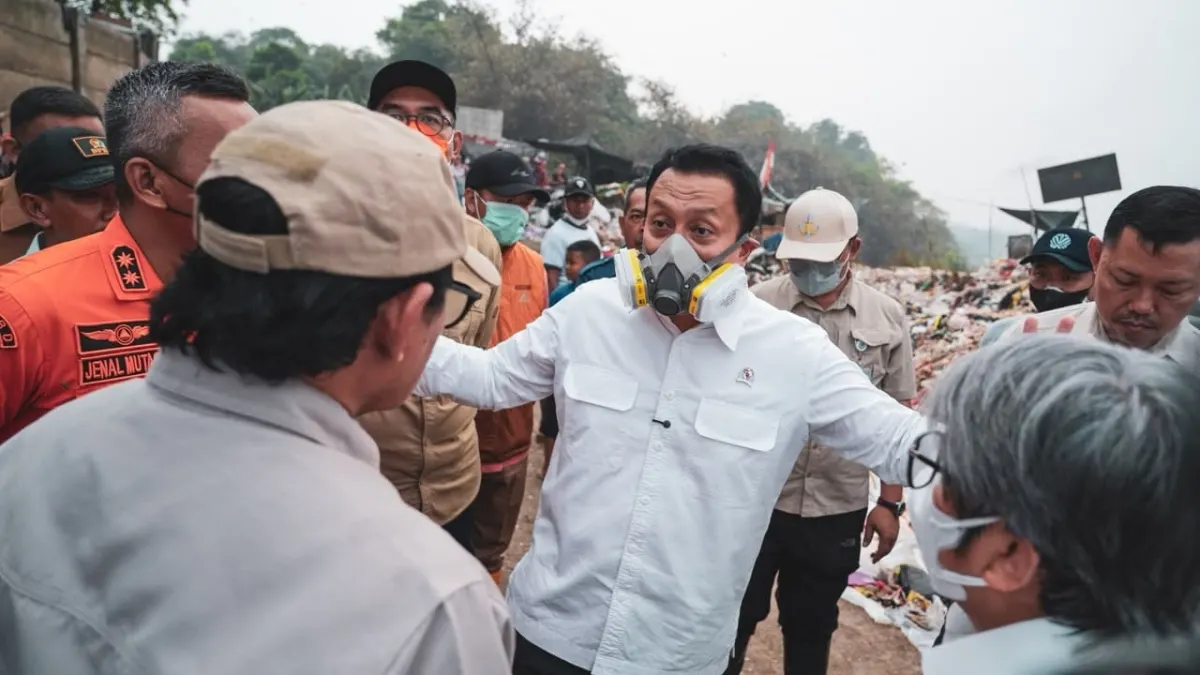
During the search, he still found rubbish and buildings in the Ciliwung River border area. Therefore, it is hoped that the commemoration of World Rivers Day will not stop as a ceremonial activity, but will encourage changes in people's behavior.
"This river is important as a source of life, but it can also be a source of disaster. We see that there is still a lot of rubbish and there are still buildings on the riverbanks. Hopefully by commemorating World Rivers Day, we can raise awareness of the importance of rivers," said Diaz.
This activity was also attended by the Chairman of the Dharma Wanita Advisory Board of the KLH/Environmental Management Agency (BPLH) Association Alia Jumhur Hidayat, Deputy Mayor of Depok Chandra Rahmansyah, Deputy Chairman I of the Depok City DPRD Yetty Wulandari, Finance Director of PT Perusahaan Gas Negara Tbk Catur Dermawan, and Head of Environmental and Circular Economy Sector Cooperation at the Danish Embassy Line Victoria Jensen.
Meta Description;
The Ministry of Environment and Forestry (KLH) is encouraging the planting of elo trees to prevent erosion of the Ciliwung River banks as well as assessing the potential for micro-hydro power generation.
Artikel ini merupakan siaran pers resmi yang diterbitkan melalui Meja Redaksi GARIS BUMI. Materi telah melalui peninjauan editorial untuk kenyamanan dan kejelasan informasi bagi pembaca.
Share Your Thoughts Editorial Moderation Required