Reducing Waste in Bantargebang, Makasar Subdistrict Encourages Sorting from Home
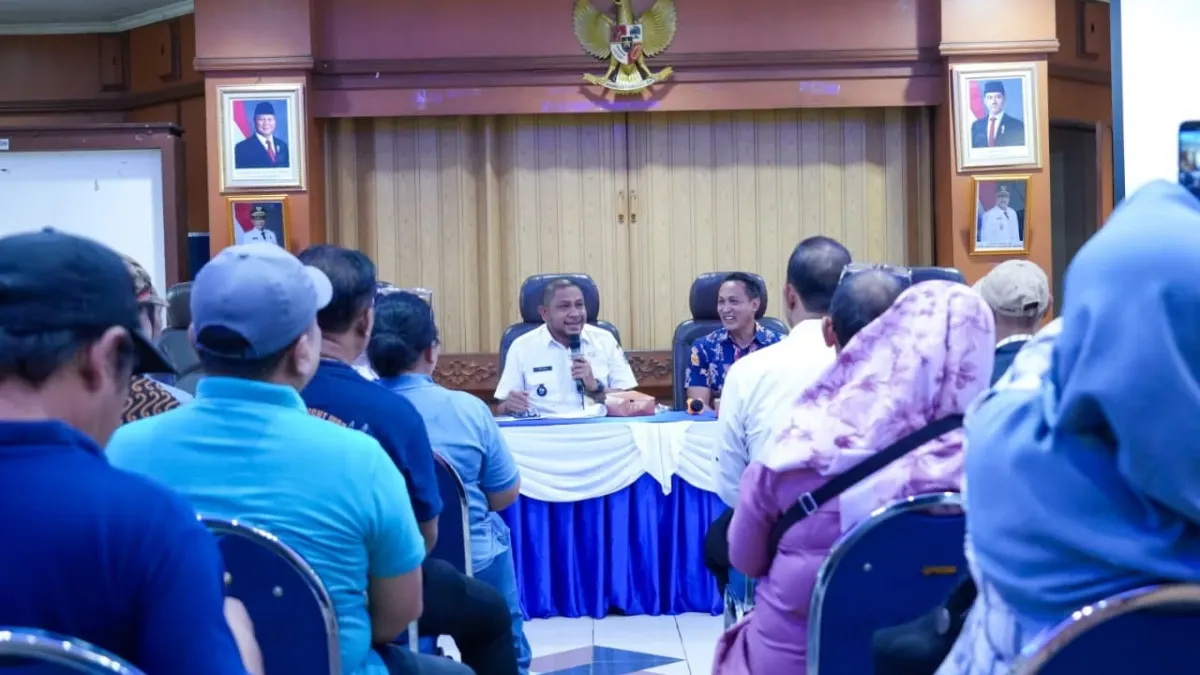
Organic waste can be processed into compost. Meanwhile, inorganic waste that has economic value can be collected and distributed through waste banks. Residue and B3 waste require handling according to applicable regulations.
Once the habit of sorting is formed, residents can develop waste management according to environmental needs and capabilities. Options include waste banks, composting, and the use of maggots.
"Once the waste has been sorted, we can think about how to increase the added value. Some can make waste banks, compost or maggot houses. The hope is that the waste produced by the community can provide benefits to the community again," said Dimas.
The socialization also featured Imam Basori from RT Innovation Bang Jali, RT 011 RW 07, North Gandaria Village, Kebayoran Baru District, South Jakarta.
Imam shared his experience in developing a mutual cooperation-based program that combines technology-assisted environmental security with independent waste management.
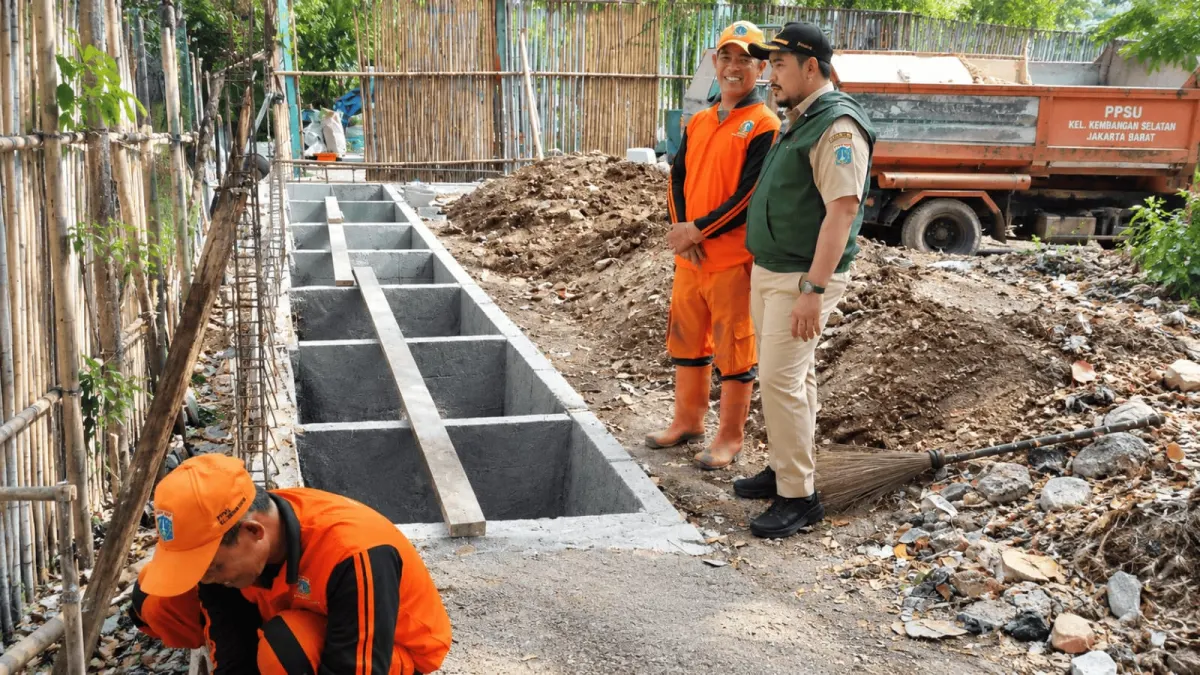
In this activity, residents are encouraged to start sorting through practices that can be carried out in their respective environments. One or several RTs can become a pilot before the implementation is developed in other areas.
RT, RW, LMK and Dasawisma administrators are expected to continue educating residents so that sorting becomes a daily habit. By separating it from home, waste that can still be used can be directed to appropriate processing.
Artikel ini merupakan siaran pers resmi yang diterbitkan melalui Meja Redaksi GARIS BUMI. Materi telah melalui peninjauan editorial untuk kenyamanan dan kejelasan informasi bagi pembaca.
Share Your Thoughts Editorial Moderation Required