60 Genries Design Environmental Solutions for West Sumatra
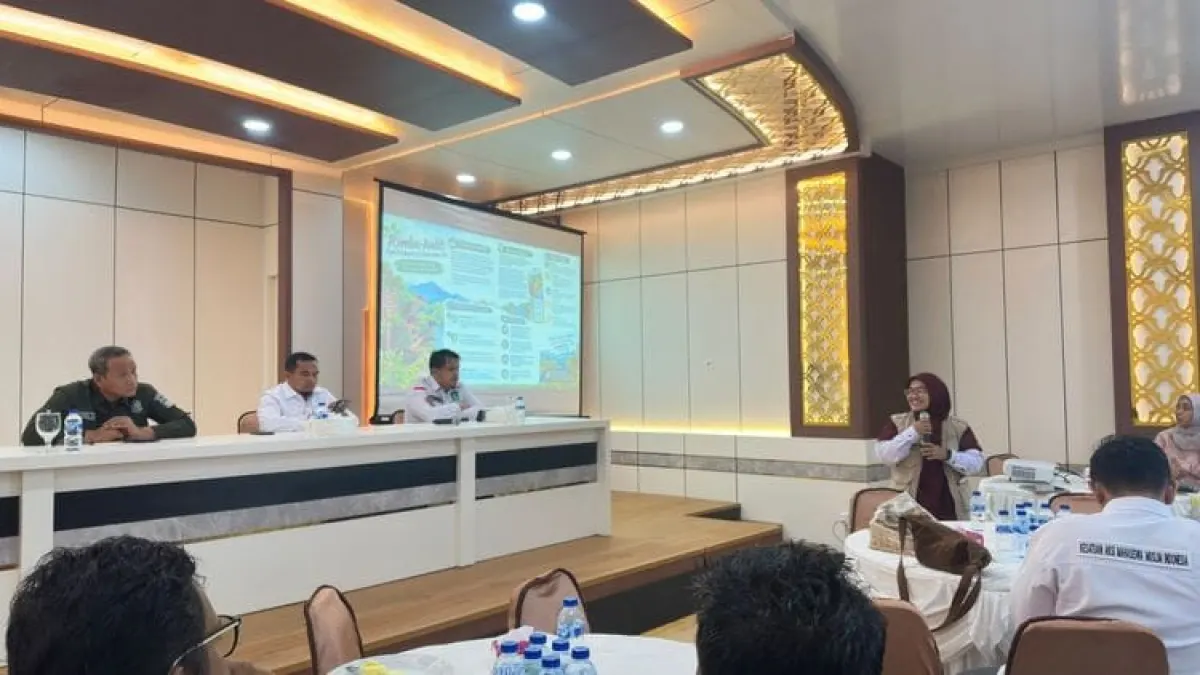
SOLOK, GARISBUMI.com – A total of 60 Generations of Forest Conservationists or Genries presented ideas for ecological action and innovation to answer various environmental problems in West Sumatra.
This idea was conveyed in the West Sumatra Forest Youthverse Resilience Summit series which took place in Solok Regency on 11–12 September 2026.
The activity, which was initiated by the Ministry of Forestry through the Forest Conservation Generation Development Center (Pusgenri), involves local governments and the younger generation. This collaboration is aimed at turning concern for forests into real action on the ground.
On the first day, Friday, September 11 2026, the activity was Youth Dialogue: Young Generation for Forest and Environmental Resilience.
The forum opened a space for dialogue between the Ministry of Forestry, regional governments and Genries regarding the role of the younger generation in protecting forests and the environment.
Secretary of the Directorate General of Watershed Management and Forest Rehabilitation of the Ministry of Forestry, Zaenal Arifin, said that Indonesia's ecological resilience cannot only depend on government policy.
The younger generation, according to him, needs to be actively involved and take a leadership role in dealing with environmental problems.
"We depend on forests and the environment, but its sustainability also really depends on us," said Zaenal.
"Therefore, the worries and concerns of the younger generation must be transformed concretely into knowledge, real action and sustainable collaboration," he continued.
Four Stages of Action for the Young Generation
In this dialogue, the younger generation was introduced to a four-stage approach, namely Learn, Observe, Act and Collaborate.
In the Learn stage, participants are invited to study forestry issues in depth using data. Next, through the Observe stage, they are encouraged to critically observe changes in the environment around them.
The knowledge and observation results are then translated into action through the Act stage. The forms of activities can take the form of public education, ecosystem monitoring, and forest and land rehabilitation.
The final stage, Collaborate, emphasizes the importance of building cross-sector collaboration so that activities do not stop after the forum ends and can provide a sustainable impact.
Ecological Innovation Presented to Government
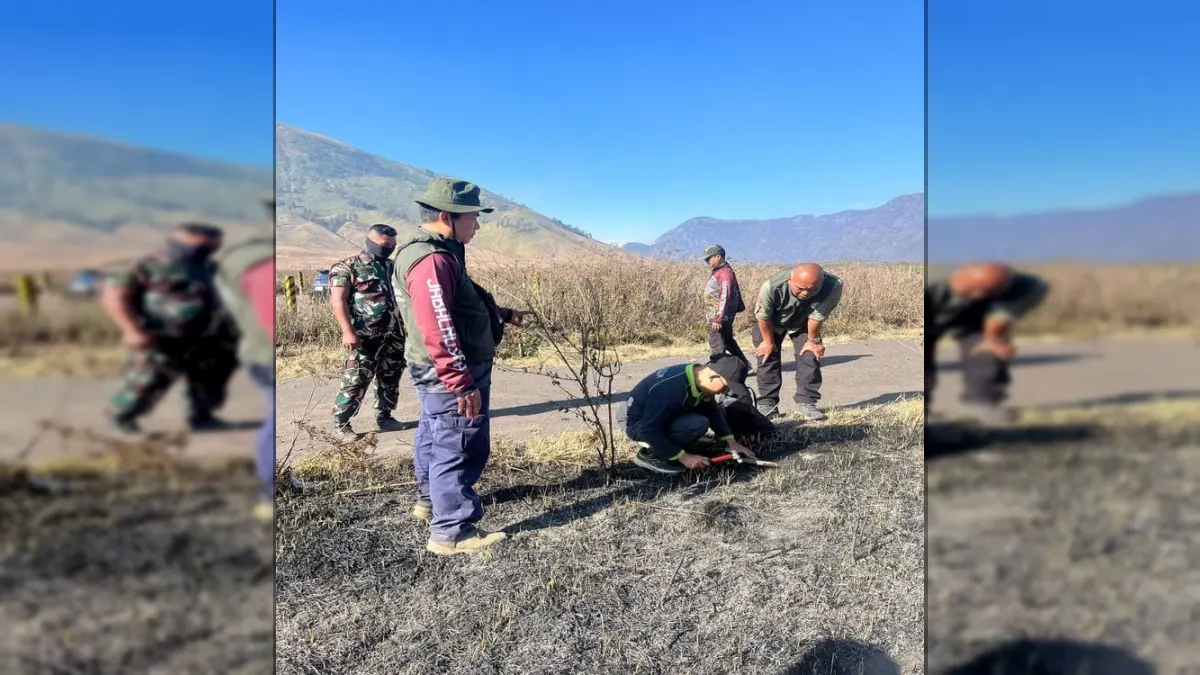
On the second day, Saturday, September 12 2026, 60 Genries presented action plans, ecological innovations and environmental solutions adapted to the conditions of the West Sumatra region.
The dialogue forum and innovation parade took place at the Solok Deputy Regent's Official Residence. The participants conveyed their ideas directly to a number of stakeholders.
Deputy Regent of Solok, Candra, said the government needed cooperation with the younger generation, academics and the community at the site level to resolve forest and environmental problems.
"The government cannot work alone in solving the complexity of forest and environmental problems," said Candra.
According to him, cross-sector consolidation is needed so that ideas developed by the younger generation can be connected to regional government programs.
"Collaboration between the government, the younger generation, academics and local communities is the key so that innovations born today do not stop as discourse documents, but instead become measurable actions that have a direct impact on the sustainability of the ecosystem," he said.
The Ministry of Forestry stated that it would monitor and accompany the implementation of the follow-up plans prepared by the Genries.
It is hoped that this assistance can ensure that the ideas of the younger generation are actually implemented and support climate resilience and environmental restoration in West Sumatra.
Share Your Thoughts Editorial Moderation Required