Waste Management Business Needs Market Certainty, KLH Strengthens Supply Chain
SLEMAN, GARISBUMI.com – Waste management businesses require certainty of raw materials, processing processes and buyers in order to survive. The Ministry of the Environment/Environmental Control Agency (KLH/Environmental Management Agency (BPLH)) encourages strengthening relationships between business actors to build supply chains that also provide benefits to the environment.
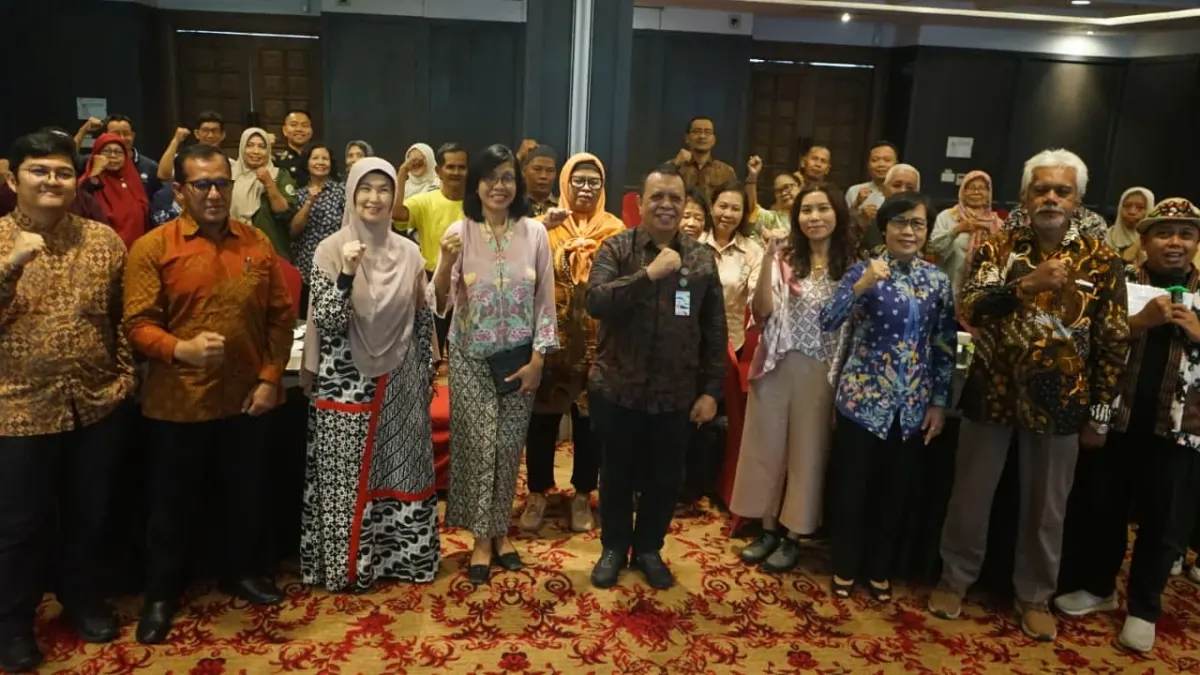
This encouragement was conveyed at the Business Networking Luncheon which closed the Scaling Up Local Enterprise on Waste Management in Indonesia (SULE-WM) program in Sleman, Special Region of Yogyakarta, Wednesday (7/10/2026).
This forum brings together waste management business actors, government, environmental communities, final buyers, as well as the hotel, restaurant and cafe sectors. Educational institutions, research institutions and business partners are also involved in exploring collaboration.
Head of the Java Environmental Control Center, Eduward Hutapea, said that waste management requires the connection of all stages, from sorting to marketing the processing results.
"Collaboration like this is important because waste management requires interconnected chains, starting from sorting, collection, processing to market. When the government, business world, community and society move in one ecosystem, waste management is not only an environmental issue, but can also open up sustainable economic opportunities," said Eduward.
According to him, the development of waste businesses needs to balance economic feasibility and environmental benefits. The use of waste that has commercial value is expected to reduce the burden on final processing sites (TPA).
"What we are building is not just business transactions, but an ecosystem. There is certainty of raw materials, there is a processing process, there is a market, and there are environmental benefits that must be protected together," he said.
Business Networking Encouraged to Become Real Collaboration
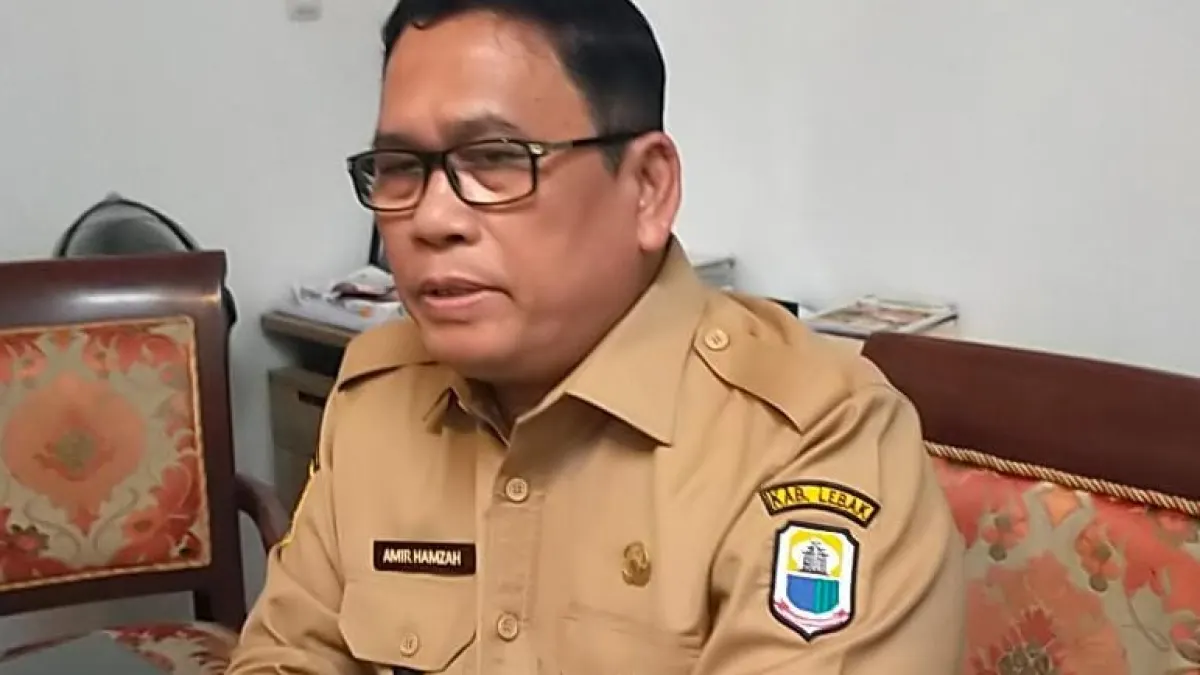
The Director of PERSADA Langgeng Makmur (PLM), Bernadetta Widiandayani, emphasized the importance of continuing the networks formed during the SULE-WM program. It is hoped that the end of the mentoring will be the beginning of the development of wider business cooperation.
"We want this activity not to stop as a program closing ceremony. What is more important is how the network that has been formed can continue to develop into real cooperation, open markets, strengthen supply chains, and make waste management efforts more sustainable," explained Widiandayani.
In this activity, PLM explained the journey and achievements of the SULE-WM program. Participants then took part in discussions and meetings between business actors to explore collaboration opportunities.
A number of participants involved included UD Rajin Magelang, PT Sumber Barokah Sleman, Bowo Rosok Bantul, Hotel 101 Tugu Yogyakarta, and Hotel 101 Style Yogyakarta. The forum also involves waste processing sites based on the principles of reducing, reusing and recycling (TPS3R), waste banks, communities, educational institutions and local governments.
KLH/Environmental Management Agency (BPLH) hopes that the relationship between waste managers, suppliers and buyers can strengthen business sustainability. This network is expected to support a circular economy through processing and reusing waste.
Artikel ini merupakan siaran pers resmi yang diterbitkan melalui Meja Redaksi GARIS BUMI. Materi telah melalui peninjauan editorial untuk kenyamanan dan kejelasan informasi bagi pembaca.
Share Your Thoughts Editorial Moderation Required